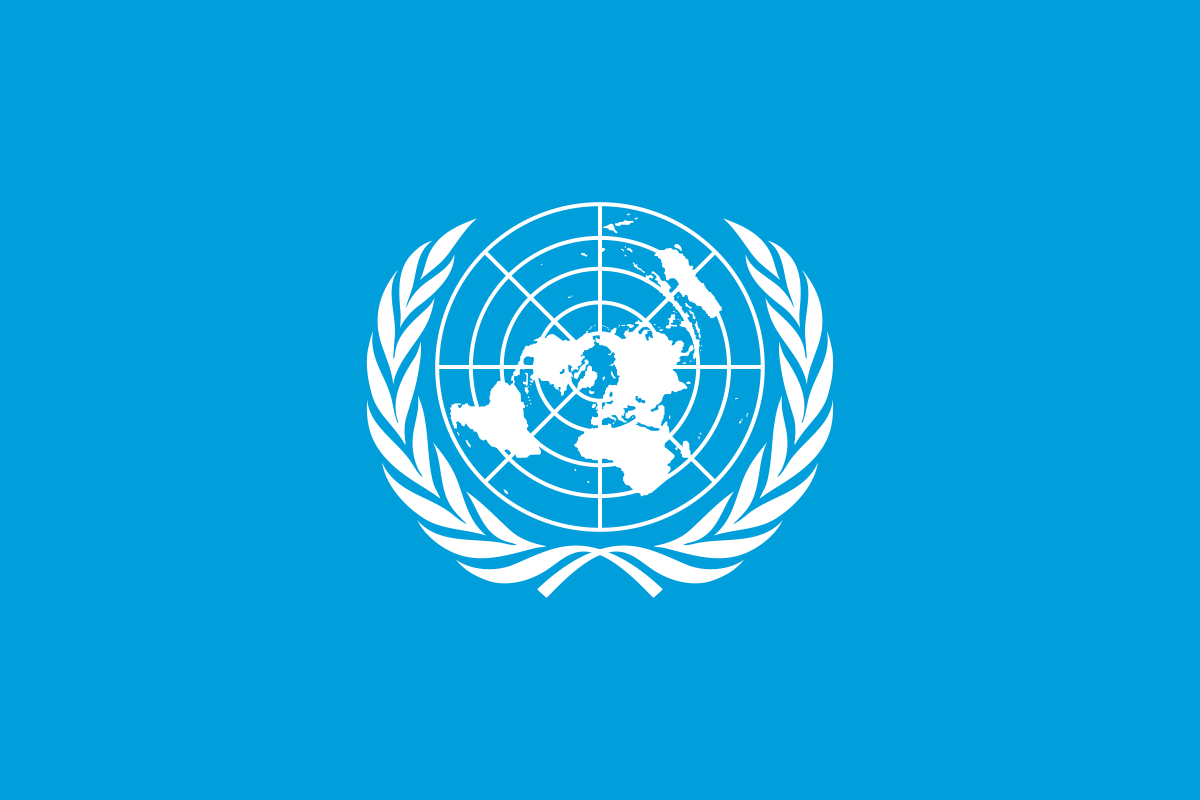
Flag of the United Nations
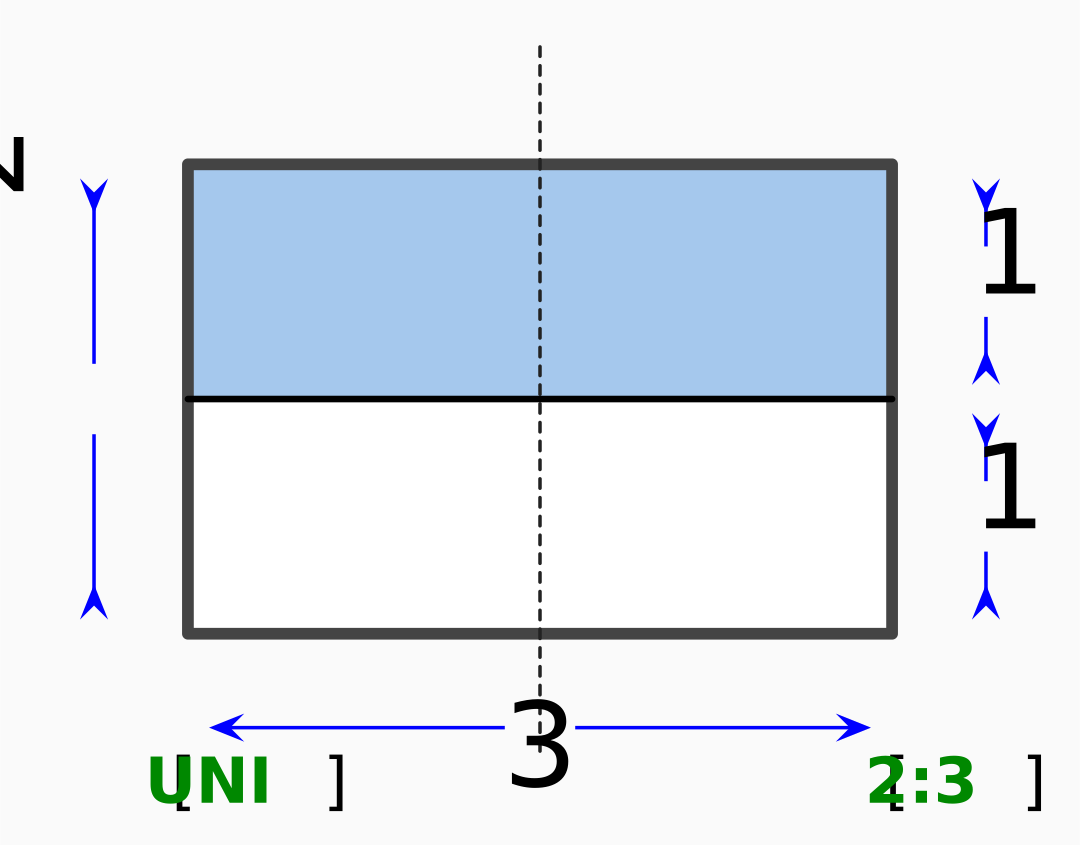
Description
- The United Nations flag (adopted 1947) features a white world map in azimuthal equidistant projection within olive branches on a light blue field
- Construction: a light blue field bearing the UN emblem in white at the centre — a polar azimuthal equidistant projection of the world map centred on the North Pole, surrounded by two olive branches
Colors in detail
Colors
Trivia
- The United Nations flag represents the international organisation established in 1945
- The olive branches represent peace; the globe represents universality
- Adopted in 1945 as the symbol of international cooperation
Flag of the United Nations
The United Nations flag (adopted 1947) features a white world map in azimuthal equidistant projection within olive branches on a light blue field.
The United Nations flag represents the international organisation established in 1945. The olive branches represent peace; the globe represents universality. Adopted in 1945 as the symbol of international cooperation.
json:data
{
  "g": "intl",
  "ns": "intl",
  "name": "United Nations",
  "id": "united-nations",
  "index": "i/united-nations",
  "title": "Flag of the United Nations",
  "ratio": "2:3",
  "colors": [
    {
      "color": "blue",
      "hex": "#4b92db",
      "pantone": "279 C",
      "cmyk": "66/33/0/14"
    },
    {
      "color": "white",
      "hex": "#ffffff",
      "cmyk": "0/0/0/0"
    }
  ],
  "desc": "- The United Nations flag (adopted 1947) features a white world map in azimuthal equidistant projection within olive branches on a light blue field\n - **Construction:** a light blue field bearing the UN emblem in white at the centre — a polar azimuthal equidistant projection of the world map centred on the North Pole, surrounded by two olive branches",
  "flag": "intl/united-nations.svg",
  "countryData": {
    "name": "United Nations",
    "officialName": "United Nations",
    "un": "none"
  },
  "cs": "intl/united-nations.cs.svg",
  "trivia": "- The United Nations flag represents the international organisation established in 1945\n - The olive branches represent peace; the globe represents universality\n - Adopted in 1945 as the symbol of international cooperation",
  "article": "intl/united-nations.md",
  "_name": "United Nations",
  "_namespace": "intl",
  "_namePart": "united-nations"
}