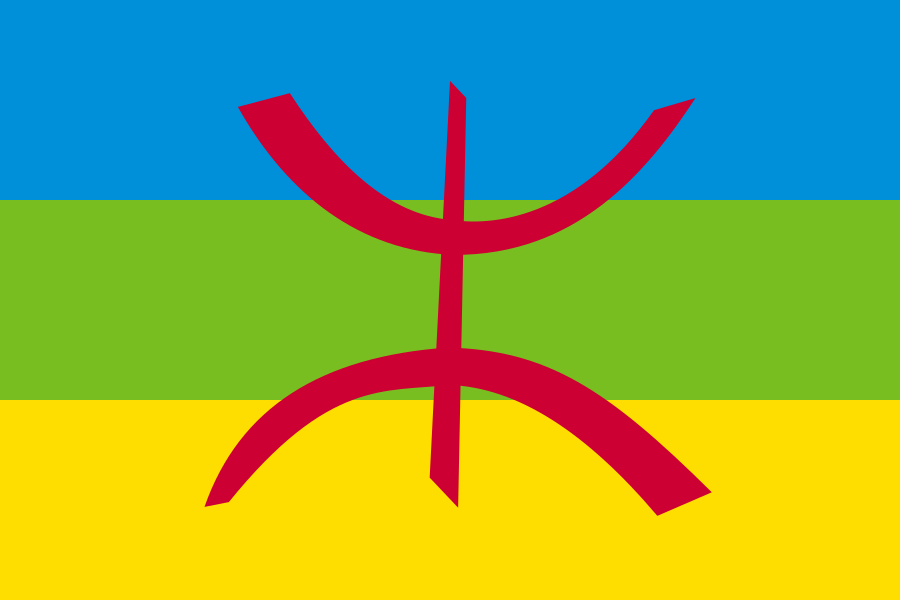
Flag of the Amazigh (Berber) People
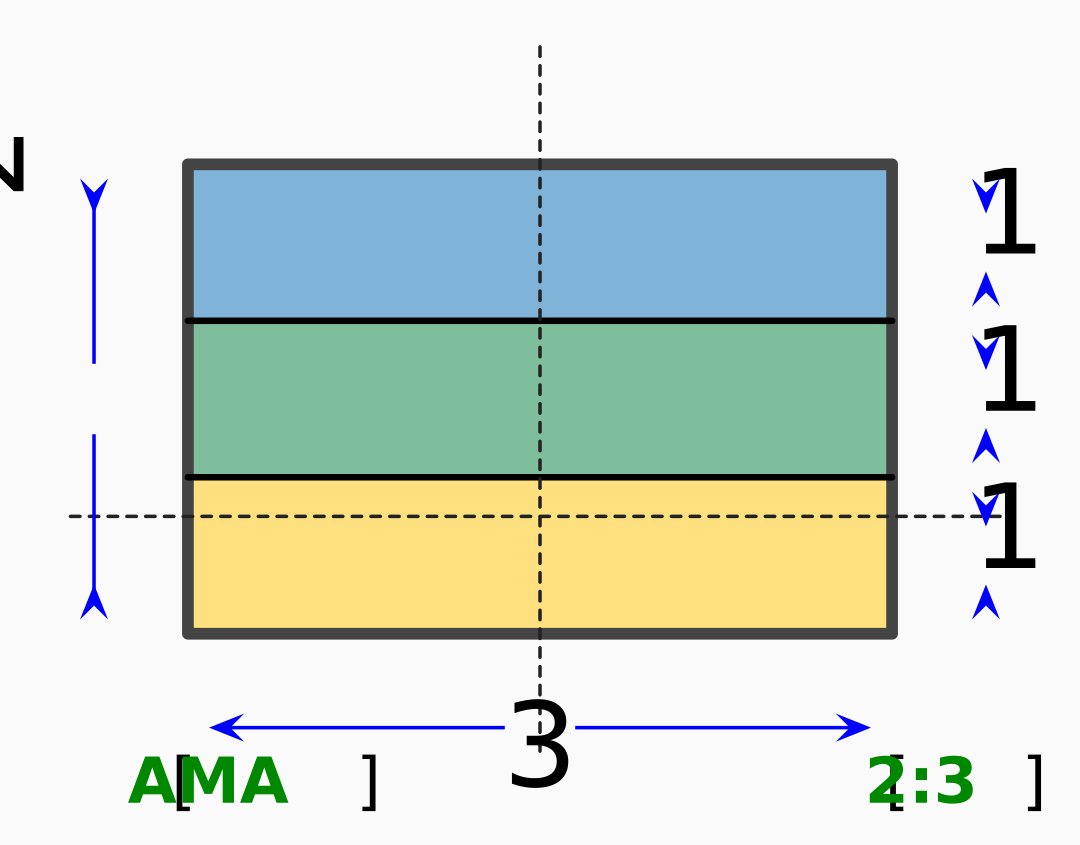
Description
- The Amazigh (Berber) flag features three horizontal stripes of blue (top), green, and yellow (bottom) with a red Tifinagh letter yaz (ⵣ) centred
- Created in the 1970s by the Amazigh Cultural Movement, the flag represents the Berber peoples of North Africa
- The blue represents the Mediterranean and Atlantic, the green the forests and mountains, and the yellow the Sahara Desert
- The yaz means 'free man'
- The flag has become a prominent symbol at protests and cultural events across Morocco, Algeria, Tunisia, and Libya
- Construction: three equal horizontal bands of blue, green, and yellow. A red yaz character centred. Ratio 2:3
Colors in detail
Colors
| Color | RGB Hex | CMYK |
|---|---|---|
| Blue | #0067b0 | 100/41/0/31 |
| The Mediterranean Sea and Atlantic Ocean. | ||
| Green | #007e3a | 100/0/54/51 |
| The forests and mountains of the Amazigh homeland. | ||
| Yellow | #ffc200 | 0/24/100/0 |
| The Sahara Desert. | ||
| Red | #ed1c24 | 0/88/85/7 |
| The yaz symbol (ⵣ), a letter from the Tifinagh alphabet representing the 'free man'. | ||
Trivia
- The yaz (ⵣ) is a letter from the ancient Tifinagh alphabet, which has been in continuous use for over 3,000 years
- The colour blue represents the Mediterranean and Atlantic; the colour red represents courage
- The flag represents the indigenous Berber peoples of North Africa
Flag of the Amazigh (Berber) People
The Amazigh (Berber) flag features three horizontal stripes of blue (top), green, and yellow (bottom) with a red Tifinagh letter yaz (ⵣ) centred. Created in the 1970s by the Amazigh Cultural Movement, the flag represents the Berber peoples of North Africa.
The yaz (ⵣ) is a letter from the ancient Tifinagh alphabet, which has been in continuous use for over 3,000 years. The colour blue represents the Mediterranean and Atlantic; the colour red represents courage. The flag represents the indigenous Berber peoples of North Africa.
json:data
{
  "g": "pan,maghreb",
  "ns": "movements",
  "name": "Amazigh (Berber) Flag",
  "id": "amazigh",
  "index": "p/amazigh-(berber)-flag",
  "title": "Flag of the Amazigh (Berber) People",
  "ratio": "2:3",
  "colors": [
    {
      "color": "blue",
      "hex": "#0067b0",
      "cmyk": "100/41/0/31",
      "note": "The Mediterranean Sea and Atlantic Ocean."
    },
    {
      "color": "green",
      "hex": "#007e3a",
      "cmyk": "100/0/54/51",
      "note": "The forests and mountains of the Amazigh homeland."
    },
    {
      "color": "yellow",
      "hex": "#ffc200",
      "cmyk": "0/24/100/0",
      "note": "The Sahara Desert."
    },
    {
      "color": "red",
      "hex": "#ed1c24",
      "cmyk": "0/88/85/7",
      "note": "The yaz symbol (ⵣ), a letter from the Tifinagh alphabet representing the 'free man'."
    }
  ],
  "desc": "- The Amazigh (Berber) flag features three horizontal stripes of blue (top), green, and yellow (bottom) with a red Tifinagh letter yaz (ⵣ) centred\n - Created in the 1970s by the Amazigh Cultural Movement, the flag represents the Berber peoples of North Africa\n - The blue represents the Mediterranean and Atlantic, the green the forests and mountains, and the yellow the Sahara Desert\n - The yaz means 'free man'\n - The flag has become a prominent symbol at protests and cultural events across Morocco, Algeria, Tunisia, and Libya\n - **Construction:** three equal horizontal bands of blue, green, and yellow. A red yaz character centred. Ratio 2:3",
  "flag": "movements/amazigh.svg",
  "countryData": {
    "name": "Amazigh",
    "officialName": "Berber/Amazigh People",
    "un": "none"
  },
  "cs": "movements/amazigh.cs.svg",
  "trivia": "- The yaz (ⵣ) is a letter from the ancient Tifinagh alphabet, which has been in continuous use for over 3,000 years\n - The colour blue represents the Mediterranean and Atlantic; the colour red represents courage\n - The flag represents the indigenous Berber peoples of North Africa",
  "article": "movements/amazigh.md",
  "_name": "Amazigh (Berber) Flag",
  "_namespace": "movements",
  "_namePart": "amazigh"
}