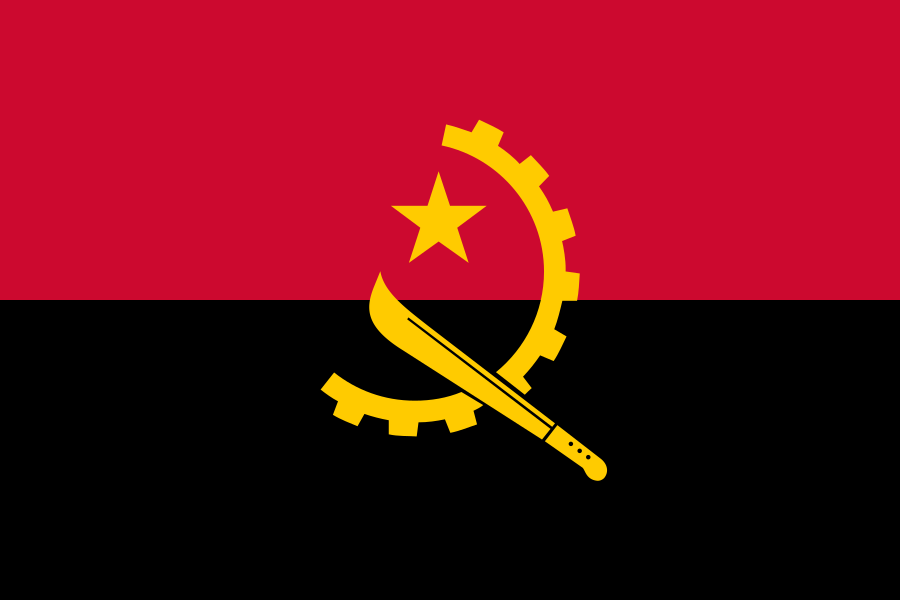
Flag of the Republic of Angola
Description
- Two horizontal bands of red and black with the Machete and Gear Emblem in gold at the center
- The machete represents peasants and agriculture, the gear represents industrial workers,
- and the five-pointed star symbolises international solidarity. Adopted on 11 November 1975 at independence from Portugal
Colors in detail
Colors
| Color | RGB Hex | Pantone | CMYK |
|---|---|---|---|
| Red | #c8102e | 186 C | 20/100/90/0 |
| Represents the blood shed during the anti-colonial struggle for independence. | |||
| Yellow | #ffcd00 | 116 C | 0/15/100/0 |
| The emblem: machete (peasants), half gear (industry), and star (international solidarity). | |||
| Black | #000000 | Process Black C | 10/10/10/100 |
| Represents the African continent and heritage. | |||
Trivia
- The machete, cogwheel, and corn star are symbols of labour, industry, and revolution
- The yellow stripe represents wealth; red represents bloodshed in the independence struggle
- One of Africa's flags most explicitly referencing socialist ideology in its heraldic design
Flag of Angola
Angola's flag consists of two horizontal bands of red and black with the Machete and Gear Emblem in gold at the centre. Adopted on 11 November 1975 at independence from Portugal, red represents the blood shed during the anti-colonial struggle and black represents the African continent.
The central emblem carries strong symbolism: the machete represents peasants and agriculture, the half gear represents industrial workers, and the five-pointed star symbolises international solidarity. The design reflects the socialist ideology that shaped Angola's independence movement.
json:data
{
  "g": "nf,africa",
  "id": "angola",
  "index": "c/angola",
  "title": "Flag of the Republic of Angola",
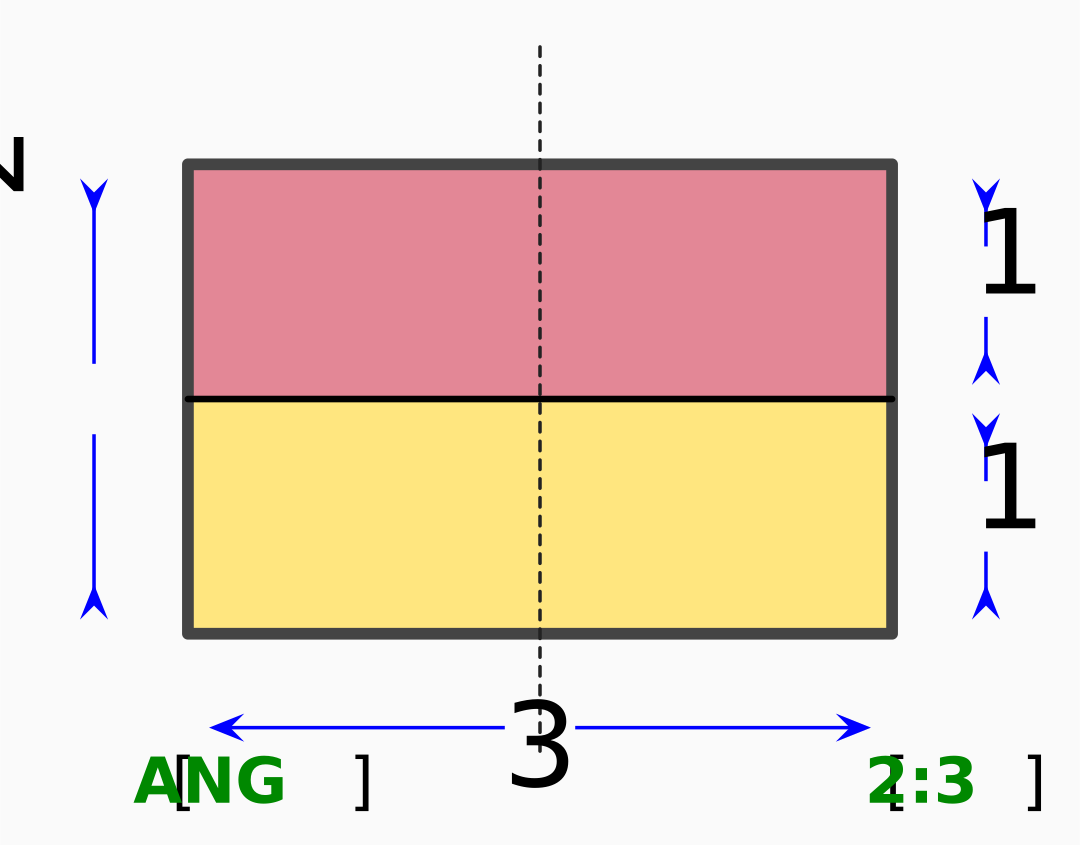
  "ratio": "2:3",
  "colors": [
    {
      "color": "red",
      "hex": "#c8102e",
      "pantone": "186 C",
      "cmyk": "20/100/90/0",
      "note": "Represents the blood shed during the anti-colonial struggle for independence."
    },
    {
      "color": "yellow",
      "hex": "#ffcd00",
      "pantone": "116 C",
      "cmyk": "0/15/100/0",
      "note": "The emblem: machete (peasants), half gear (industry), and star (international solidarity)."
    },
    {
      "color": "black",
      "hex": "#000",
      "pantone": "Process Black C",
      "cmyk": "10/10/10/100",
      "note": "Represents the African continent and heritage."
    }
  ],
  "desc": "- Two horizontal bands of red and black with the Machete and Gear Emblem in gold at the center\n - The machete represents peasants and agriculture, the gear represents industrial workers,\n - and the five-pointed star symbolises international solidarity. Adopted on 11 November 1975 at independence from Portugal",
  "article": "angola/flag.md",
  "use": {
    "as": "national flag",
    "since": "1975-11-11"
  },
  "of": {
    "country": "angola"
  },
  "countryData": {
    "name": "Angola",
    "officialName": "Republic of Angola",
    "continent": "africa",
    "location": "west coast of Southern Africa",
    "un": "member"
  },
  "cs": "angola/flag.cs.svg",
  "trivia": "- The machete, cogwheel, and corn star are symbols of labour, industry, and revolution\n - The yellow stripe represents wealth; red represents bloodshed in the independence struggle\n - One of Africa's flags most explicitly referencing socialist ideology in its heraldic design",
  "flag": "angola/flag.svg",
  "_name": "Angola",
  "_namespace": "angola",
  "_namePart": ""
}